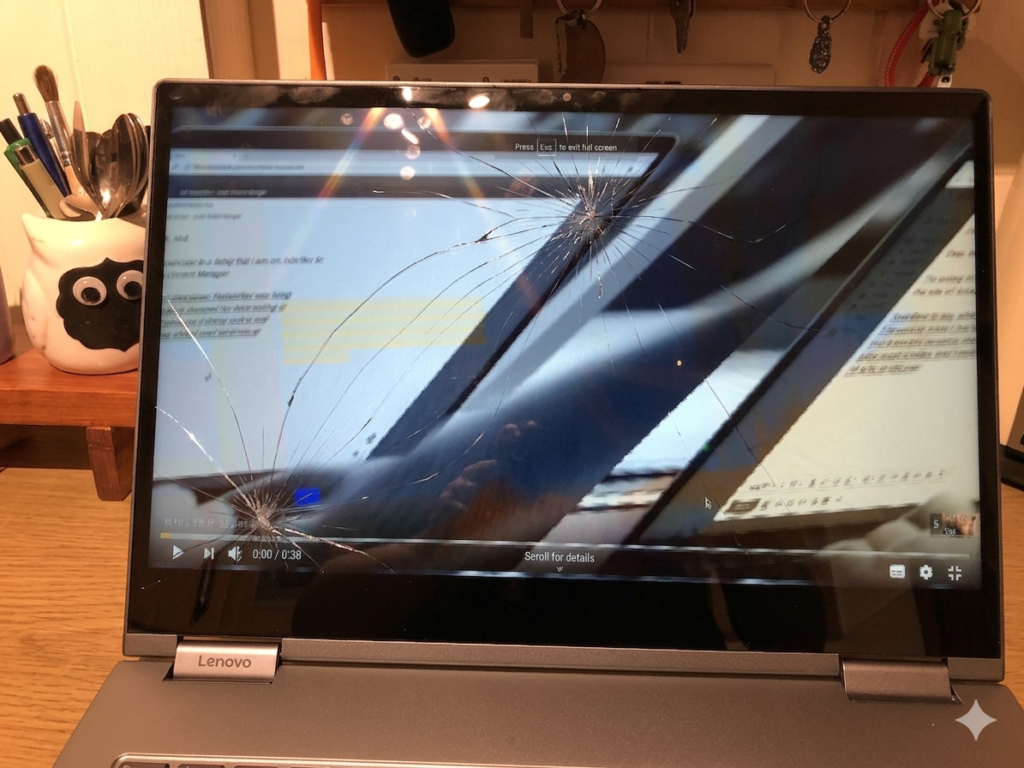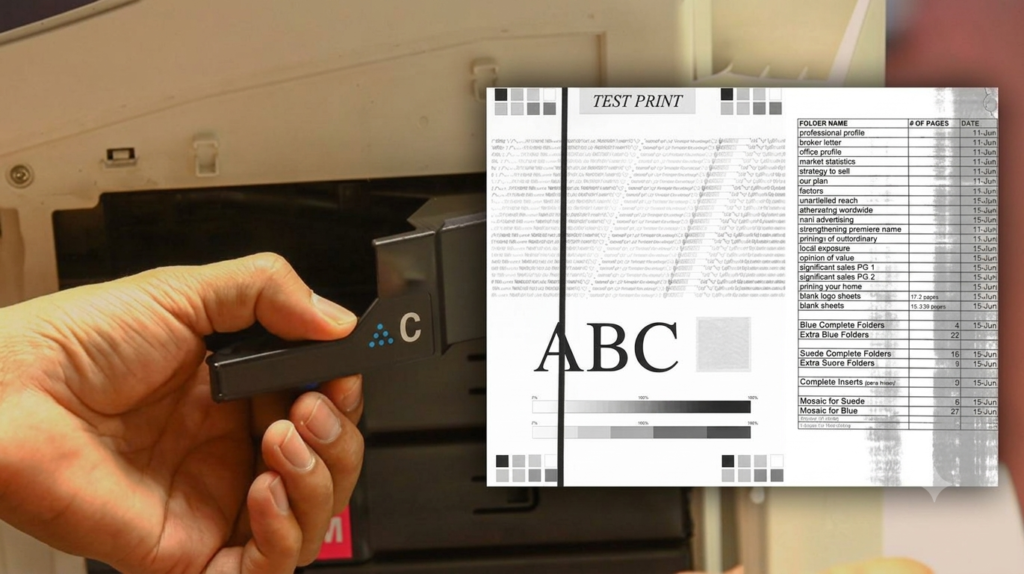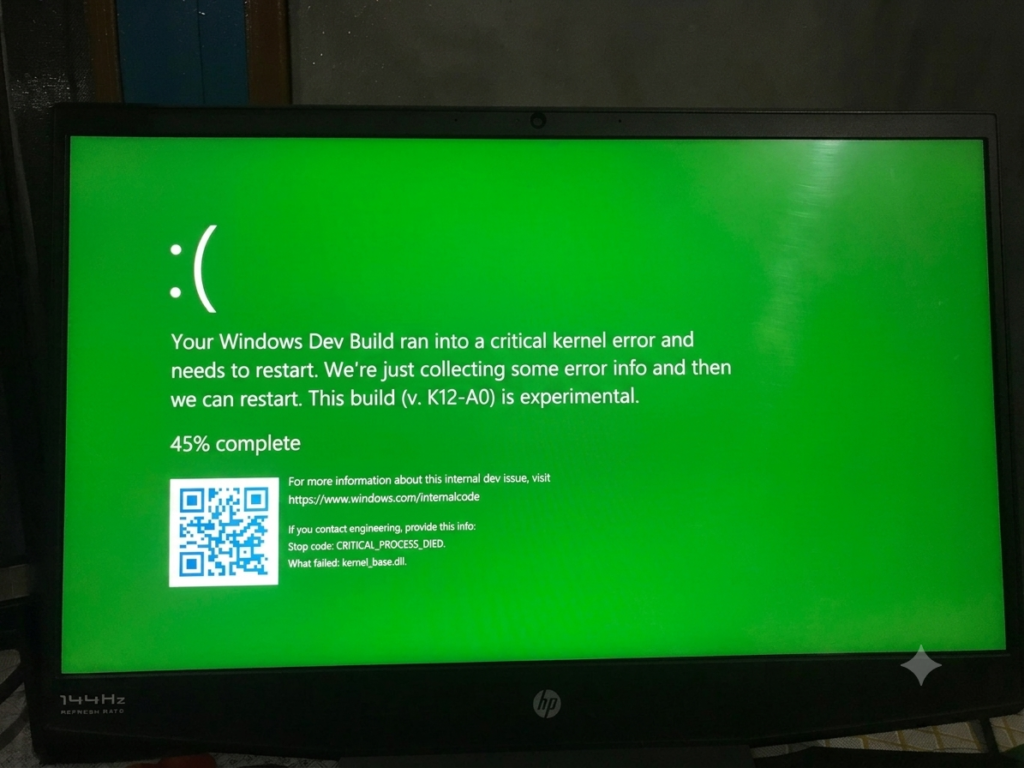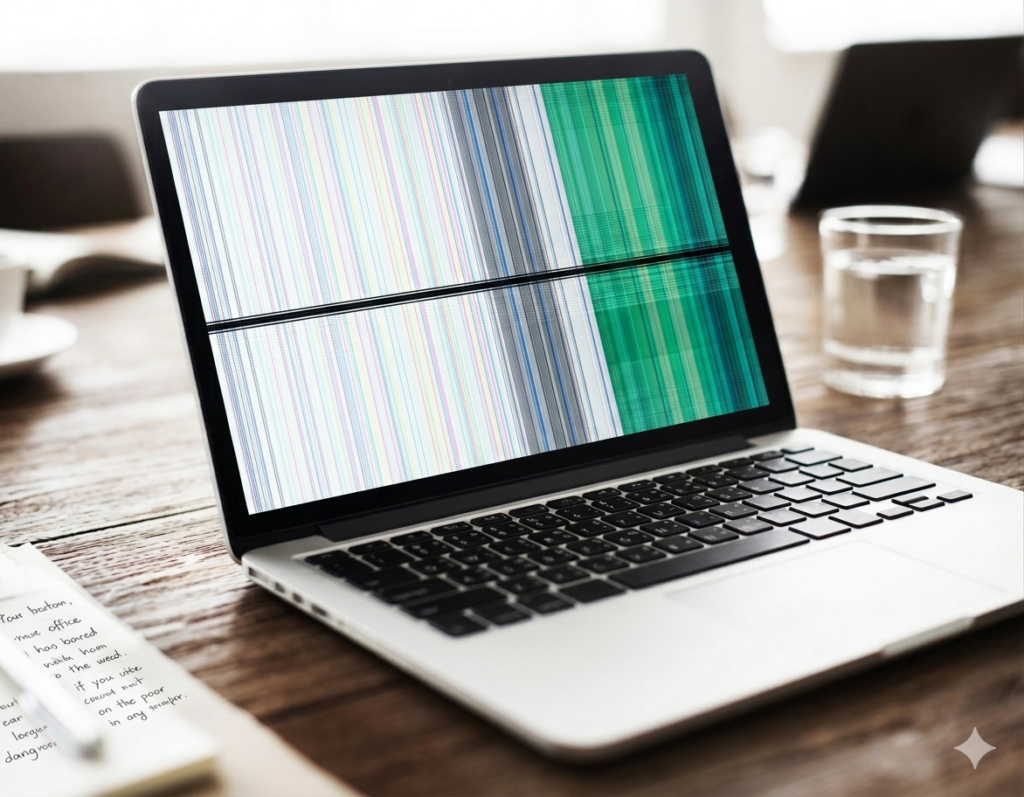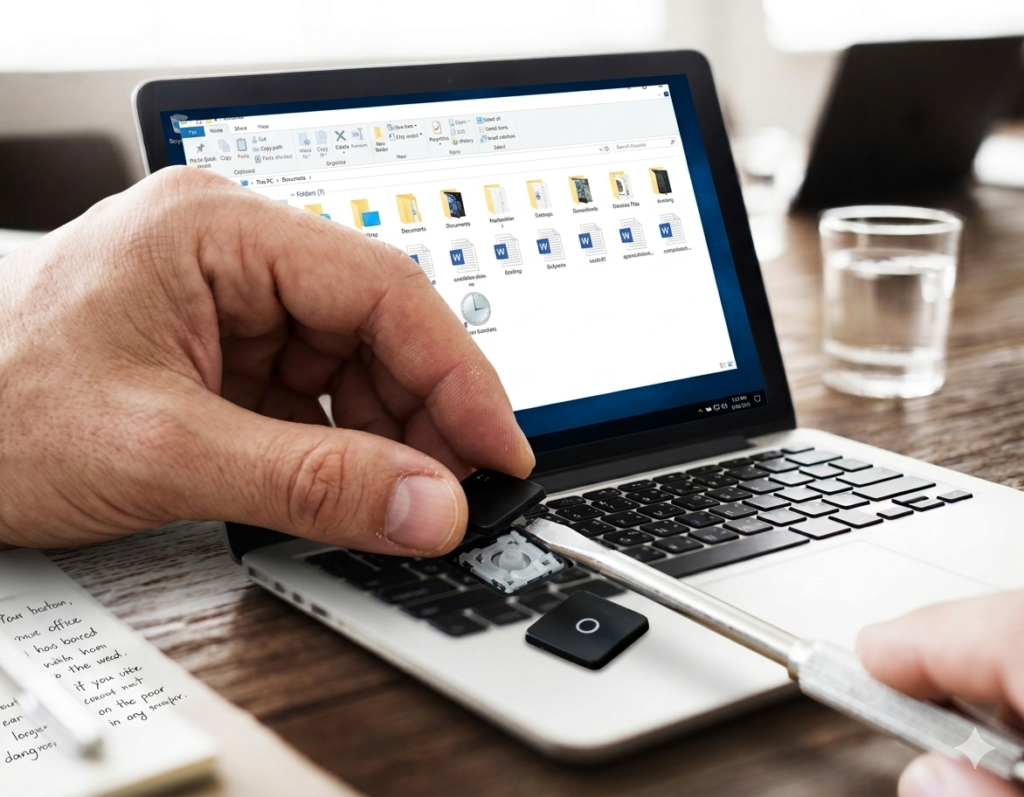
Is your laptop running slower than before? Do apps take too long to open or does your system freeze while working? A slow laptop can make daily tasks frustrating and waste a lot of time. Many laptops become slow over time because of too many background apps, low storage space, outdated software, viruses, or old hardware.
Common signs of a slow laptop include long startup times, lagging programs, slow internet browsing, and frequent freezing. These issues can affect work, gaming, studying, and even simple browsing.
The good news is that most slow laptop problems are easy to fix. Small changes like removing unwanted apps, freeing storage space, updating software, and checking for viruses can improve your laptop’s speed and performance.
In this article , you will learn simple and beginner-friendly methods to fix a slow laptop and make it run smoother again.
Restart Your Laptop First
One of the easiest ways to fix a slow laptop is to restart it properly. Many people keep their laptops running for days without restarting, which can make the system slow and unresponsive. Restarting helps clear temporary files and stops background tasks that may be using too much memory and processing power.
Steps to Restart Your Laptop Properly
- Save all your work
- Close open apps and programs
- Open the Start menu
- Click the Power option
- Select Restart
Example
If your laptop freezes or apps open slowly, a quick restart can often make the system faster and smoother within minutes.
Remove Unwanted Programs
Removing unused programs is one of the easiest ways to speed up a slow laptop. Extra apps take space and use system memory even when you are not using them. Some apps also run in the background and slow down your system without you noticing.
How Extra Programs Slow Down a Laptop
- They use RAM (temporary memory) even when idle
- They reduce free storage space on your hard drive
- Some apps start automatically in the background
- They can slow down startup and shutdown time
How to Uninstall Programs (Windows)
- Open the Start Menu
- Search and open Control Panel
- Click on Programs and Features
- Wait for the full list to load
- Select the program you don’t need
- Click Uninstall
- Follow on-screen steps to remove it
What You Should Delete
- Old games you no longer play
- Heavy software you never use
- Trial or demo versions of apps
- Duplicate or similar tools (keep only one)
- Unnecessary toolbars or extensions
Disable Startup Programs
Startup programs are apps that open automatically when your laptop turns on. Many of these apps are not needed, but they still run in the background and slow down your system from the start.
What Startup Apps Are
- Programs that launch automatically when Windows starts
- They run without you opening them
- They stay active in the background
- Example: chat apps, game launchers, cloud apps
Why Too Many Startup Apps Are Bad
- They make boot time longer
- They use RAM before you even start working
- They slow down the first few minutes of laptop use
- They can reduce overall system speed
How to Disable Startup Apps (Windows Task Manager Method)
- Press Ctrl + Shift + Esc to open Task Manager
- Click the Startup tab at the top
- Check the list of apps carefully
- Right-click on unwanted apps
- Click Disable
- Repeat for other unnecessary apps
- Close Task Manager after changes
Which Apps You Can Disable
- Game launchers (if not used daily)
- Auto-updaters for software
- Messaging apps like Skype or Discord (if not needed at startup)
- Cloud storage apps like OneDrive (optional)
- Unused third-party tools
What You Should NOT Disable
- Antivirus software
- Windows security or system services
- Drivers or hardware-related tools
Tip
Only keep essential apps enabled at startup. Fewer startup apps mean a faster and smoother laptop right after turning it on.
Free Up Storage Space
Full storage can make your laptop slow. When your laptop has very little free space, it cannot run smoothly and starts lagging during daily use. Every program needs free space to work properly, and when storage is almost full, the system struggles with basic tasks.
Apps open slowly, files take longer to save, and overall performance becomes weak. Even simple actions like switching windows can feel slow. Keeping storage clean helps your laptop stay fast and responsive.
Why Full Storage Causes Lag
- Laptop needs free space to run system tasks properly
- Apps take more time to open
- System becomes heavy and slow
- Updates may fail or take longer
Easy Ways to Free Space
- Delete temporary files from system settings
- Empty recycle bin to remove old deleted files
- Remove unwanted photos and videos
- Uninstall apps you do not use
- Move big files to USB or cloud storage
Scan for Viruses and Malware
Viruses and malware can slow down your laptop without you even noticing. They run in the background and use your system power, which makes everything slow and unstable.
How Viruses Slow Down a Laptop
- They use system resources secretly
- They reduce overall speed and performance
- They make apps open slowly
- They can cause freezing and lag
Signs of Malware
- Pop-up ads appear again and again
- Random apps install without permission
- Browser becomes very slow
- Strange system behavior or crashes
How to Run a Virus Scan
- Open Windows Security
- Go to Virus & threat protection
- Click Quick Scan or Full Scan
- Or use a trusted antivirus software
Update Your Operating System
Keeping your system updated helps your laptop run better. Updates fix small bugs, improve speed, and make your laptop more stable. They also improve security and help your apps run without errors.
Many slow laptop problems happen because the system is old or not updated. Regular updates keep your laptop fresh and smooth.
Why Updates Matter
- Fix system bugs that slow performance
- Improve speed and response time
- Make laptop more secure from threats
- Help apps run without crashes
- Improve overall system stability
How to Check for Updates (Windows)
- Open Settings from the Start menu
- Click Update & Security
- Go to Windows Update section
- Click Check for updates
- Download and install all updates
Important Note
- Restart your laptop after updates
- Restart helps apply all changes properly
- Do not turn off laptop during updates
- Keep charger connected while updating
- Updates may take some time to finish
Clean Your Laptop Browser
A slow browser can make your whole laptop feel slow. This happens when too many tabs, extensions, and stored data build up over time. It uses extra memory and slows down browsing speed. Even simple websites may load slowly. Cleaning your browser keeps everything fast and smooth.
Why Browsers Become Slow
- Too many open tabs using memory
- Extra extensions running in background
- Cache and cookies stored over time
- Heavy websites taking more resources
- Old browsing data slowing performance
What You Should Do
- Clear cache and cookies regularly
- Remove extensions you don’t use
- Close unnecessary tabs
- Restart browser after cleaning
- Keep only important tabs open
Example
A student opened many tabs for study and entertainment. The browser became slow and pages stopped loading properly. After closing extra tabs and clearing cache, the browser became fast again and worked smoothly.
Upgrade Your RAM or SSD
Sometimes software fixes are not enough. Hardware upgrades can give your laptop a big speed boost. RAM helps with multitasking while SSD improves loading speed. These upgrades make the laptop feel new again. Many old laptops become fast after upgrading. It is one of the best long-term solutions.
What RAM Does
- Helps run multiple apps smoothly
- Improves multitasking performance
- Reduces freezing during work
- Keeps system stable under load
- Supports heavy tasks easily
What an SSD Does
- Loads data much faster than HDD
- Makes startup very quick
- Opens apps in seconds
- Improves overall system speed
- Reduces waiting time
Signs You May Need an Upgrade
- Laptop freezes often during use
- Startup takes too long
- Apps open very slowly
- System lags during multitasking
- Performance drops over time
Stop Overheating Problems
Overheating is a common reason for a slow laptop. When your laptop gets too hot, it automatically reduces its speed to protect its parts. This makes everything feel slow, laggy, and unresponsive.
Heat also affects performance during gaming, studying, or heavy work. Keeping your laptop cool helps it run faster and smoother for a long time.
How Heat Slows a Laptop
- Laptop reduces speed to prevent damage
- Processor works slower when temperature is high
- Apps take longer to open
- System may freeze or lag
Common Causes of Overheating
- Dust buildup inside vents and fans
- Blocked air vents due to soft surfaces
- Long hours of continuous use
- Heavy apps running at the same time
- Poor airflow around the laptop
Simple Fixes
- Clean air vents regularly to remove dust
- Use laptop on a hard and flat surface
- Keep vents open for proper airflow
- Close heavy apps when not needed
- Give your laptop short breaks during long use
Example
Using a laptop on a bed or sofa can block airflow from the vents. This traps heat inside the laptop, making it slow and hot. After moving it to a table, the laptop cools down and works much faster.
Reset or Reinstall the Operating System
Sometimes a laptop becomes very slow and normal fixes do not work. In that case, resetting or reinstalling the operating system can help. This process gives your laptop a fresh start and removes deep system problems that slow it down.
When You Should Try This
- Nothing else works
- Laptop is still extremely slow
- Frequent freezing or crashing
- System feels very heavy even after cleanup
- Apps are not responding properly
Difference Between Reset and Reinstall
- Reset keeps things simpler and uses built-in options
- It may keep some personal files depending on settings
- Clean install removes everything completely
- Reinstall gives a fresh and fully new system
- Clean install is more powerful but more advanced
Warning
- Always backup your important files first
- Save photos, videos, and documents safely
- Use USB drive or cloud storage for backup
- Do not skip backup step
- This process can delete all data if done wrong
Conclusion
A slow laptop can feel frustrating, but the good news is that most problems are easy to fix. Simple steps like restarting your laptop, removing unwanted apps, freeing up storage, and scanning for viruses can quickly improve speed and performance. In some cases, upgrading to an SSD or adding more RAM can make your laptop feel brand new again. These fixes do not need expert skills, and you can try them at home.
Most slow laptop issues happen because of small problems building up over time. The good thing is that small changes can bring a big improvement in performance. With regular care, your laptop can stay fast, smooth, and reliable for daily use.
So, which fix are you going to try first on your laptop?
FAQS
Why is my laptop slow even after restarting?
Restart helps only temporary issues. If storage is full or apps are heavy, the laptop can still be slow.
Can a virus make a laptop slow?
Yes, viruses use system power in the background and make the laptop slow.
How much free storage should I keep?
Try to keep at least 15–20% free space for smooth performance.
Is upgrading RAM worth it?
Yes, more RAM helps your laptop run multiple apps without lag.
Will resetting my laptop improve speed?
Yes, it removes deep system issues and gives a fresh start.
How often should I clean temporary files?
Once every 2–4 weeks is good for normal use.
Can too many apps slow my laptop?
Yes, many apps running together use memory and reduce speed.
Does overheating affect laptop speed?
Yes, when the laptop gets hot, it reduces speed to protect itself.